
News
What Are the Benefits of LVT Flooring for Modern Homes?
Choosing the right flooring is an important part of creating a comfortable and functional home. Modern homeowners often look for flooring that combines attractive designs, reliable durability, easy maintenance, and practical performance. While traditional materials such as hardwood, ceramic tiles, and laminate remain popular, LVT flooring has become an increasingly considered option for residential interiors.
With its versatile designs and multi-layer construction, LVT flooring offers several advantages for modern homes. From living rooms and bedrooms to kitchens and dining areas, it provides a practical flooring solution that balances appearance and everyday functionality.
1. Realistic Designs for Different Interior Styles
One of the main advantages of LVT flooring is its design flexibility. Advanced printing technology allows manufacturers to reproduce the appearance of natural materials, including oak, walnut, marble, stone, and other decorative patterns. This gives homeowners more options when matching flooring with different furniture styles and interior designs.
Unlike natural materials, which may have variations in color, texture, and availability, LVT flooring offers more consistent decorative patterns across production batches. Different surface textures and finishes can also create a more realistic visual effect, helping residential spaces achieve the desired appearance without relying on natural wood or stone.
Whether used in minimalist apartments, contemporary houses, or traditional interiors, LVT flooring can complement a wide range of decorative styles.
2. Water Resistance for Everyday Household Areas
Water resistance is another important benefit of LVT flooring. Its vinyl-based construction provides good resistance to everyday moisture, making it suitable for areas where occasional spills and splashes are common.
In kitchens, dining areas, and entryways, accidental spills can happen during daily activities. Compared with many traditional wood-based flooring materials, LVT flooring is less susceptible to moisture-related damage under normal conditions when properly installed and maintained.
However, water-resistant does not automatically mean waterproof under every installation condition. Moisture can still enter through poorly sealed joints, edges, or the subfloor. For this reason, proper installation and suitable product specifications remain important, particularly in areas exposed to frequent water.
3. Durable Surface for Daily Residential Use
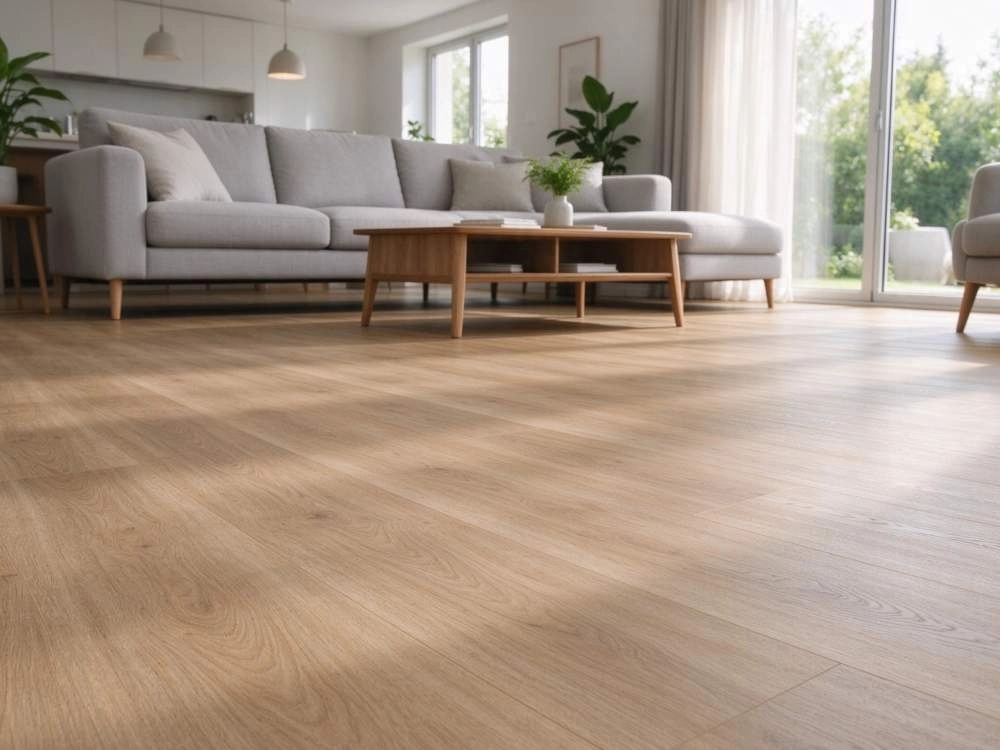
Residential flooring experiences regular wear from walking, furniture movement, pets, and other household activities. LVT flooring is designed with a protective wear layer that helps reduce surface abrasion and protects the decorative layer underneath.
The wear layer thickness is an important specification when selecting LVT flooring. Different thickness options are available for different usage requirements. For example, a thicker wear layer may be considered for busy living areas or homes with frequent foot traffic, while lighter residential applications may have different requirements.
The overall durability of LVT flooring also depends on material formulation, manufacturing consistency, surface treatment, and installation quality. Evaluating these factors together provides a more accurate understanding of product performance than considering thickness alone.
4. Comfortable and Practical for Indoor Living
Comfort is another consideration when choosing flooring for residential interiors. Compared with hard surfaces such as ceramic tiles and natural stone, LVT flooring can offer a different underfoot feel that many homeowners find suitable for everyday indoor activities.
Its surface is generally smooth and easy to clean, while certain product constructions and installation systems may provide additional support or cushioning. This can make it a practical option for bedrooms, living rooms, and other frequently used spaces.
LVT flooring can also be compatible with certain underfloor heating systems, depending on the product specifications and installation requirements. Homeowners should always check the manufacturer's recommended temperature limits and installation instructions before using it with a heating system.
5. Easy Maintenance for Busy Households
Keeping residential floors clean is part of everyday home maintenance. LVT flooring has a relatively low-maintenance surface, making routine cleaning straightforward.
Regular sweeping or vacuuming helps remove dust and loose particles, while a damp mop with a suitable pH-neutral cleaner can remove common dirt and stains. Unlike natural hardwood, LVT flooring generally does not require sanding, polishing, or periodic refinishing to maintain its decorative appearance.
To help preserve the surface, homeowners should avoid harsh abrasive cleaners, use protective pads under heavy furniture, and clean spills promptly. These simple practices can help maintain the flooring's appearance over time.
6. A Versatile Flooring Option for Different Rooms
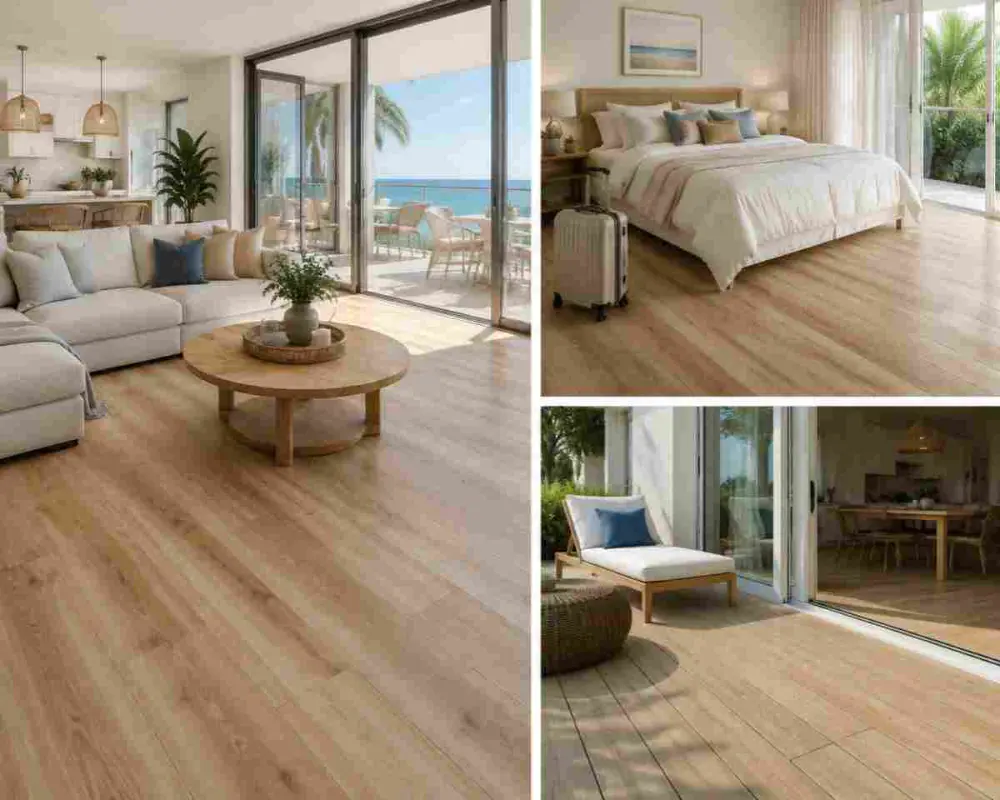
The combination of decorative flexibility, moisture resistance, and easy maintenance makes LVT flooring suitable for various residential applications. However, the appropriate product should always be selected according to the conditions of each room.
| Residential Area | Key Flooring Requirements | Relevant LVT Flooring Features |
| Living Room | Appearance and daily wear resistance | Decorative designs and protective wear layer |
| Bedroom | Comfort and interior coordination | Wood-look patterns and practical maintenance |
| Kitchen | Moisture resistance and easy cleaning | Vinyl-based construction and easy-to-clean surface |
| Dining Room | Resistance to everyday spills and foot traffic | Protective surface and versatile designs |
| Entryway | Frequent foot traffic and routine cleaning | Wear layer protection and practical surface care |
For bathrooms or other areas with frequent water exposure, buyers should confirm that the selected LVT product and installation system are specifically suitable for those conditions.
Choosing LVT Flooring for Modern Residential Projects
LVT flooring combines realistic decorative designs, moisture resistance, surface protection, and convenient maintenance, making it a practical option for many modern residential interiors. Its versatility allows homeowners and project developers to select different patterns, textures, and specifications according to their design preferences and functional requirements.
When evaluating LVT flooring, it is important to look beyond appearance and consider wear layer thickness, overall construction, dimensional stability, installation method, and product testing information. Choosing the right specifications for the intended living environment helps ensure that the flooring meets both aesthetic expectations and everyday performance requirements.
