
News
What Is the Difference Between LVP and LVT Flooring?
Luxury vinyl flooring has become a widely used option in residential and commercial interiors because of its versatile designs, practical surface properties, and flexible product specifications. Among the available types, Luxury Vinyl Plank (LVP) and Luxury Vinyl Tile (LVT) are two common formats. Although they share similar material characteristics, they differ in appearance, dimensions, and design applications.
Understanding the difference between LVP and LVT flooring can help distributors, contractors, and project developers select suitable products according to their design requirements and installation conditions.
What Are LVP and LVT Flooring?
Both LVP and LVT belong to the broader category of luxury vinyl flooring. They are manufactured using vinyl-based materials and typically feature multiple layers designed to provide structural support, decorative effects, and surface protection.
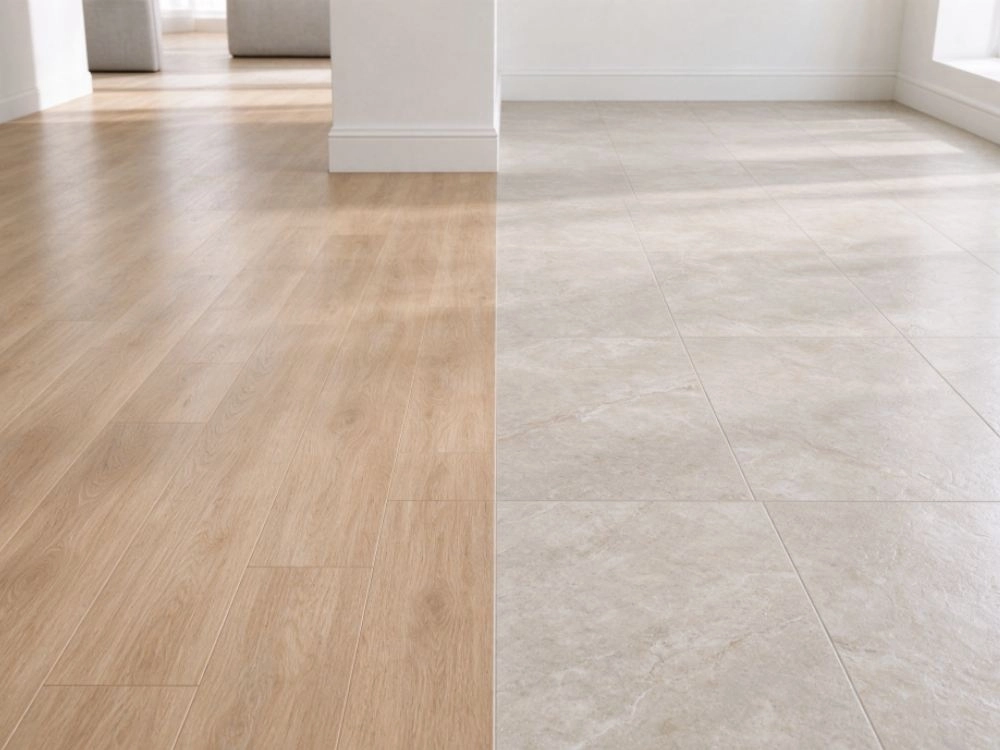
LVP (Luxury Vinyl Plank) is designed in long, narrow plank formats, usually with wood-inspired decorative patterns. Its appearance commonly replicates natural materials such as oak, walnut, and other hardwood species. The plank format creates a continuous wood-flooring effect, making LVP a popular option for living rooms, bedrooms, offices, and hospitality interiors.
LVT (Luxury Vinyl Tile) generally comes in square or rectangular tile formats. Its decorative designs often imitate marble, natural stone, ceramic tiles, and other hard-surface materials. Compared with plank-style flooring, LVT provides more flexibility for creating tile-inspired layouts and geometric patterns.
The main distinction between the two is therefore their product format and decorative presentation rather than an entirely different material composition.
What Are the Main Differences Between LVP and LVT Flooring?
The most noticeable difference between LVP and LVT flooring is their shape and visual design. However, their formats also influence how flooring patterns are arranged within an interior space.
| Comparison Factor | LVP Flooring | LVT Flooring |
| Product Format | Long rectangular planks | Square or rectangular tiles |
| Common Appearance | Wood and hardwood patterns | Stone, marble, and ceramic patterns |
| Design Style | Linear, wood-inspired layouts | Tile-inspired and geometric layouts |
| Layout Options | Straight, staggered, and varied plank patterns | Straight, diagonal, and patterned arrangements |
| Typical Applications | Living rooms, bedrooms, and hallways | Kitchens, entrances, offices, and commercial interiors |
LVP is often selected when a project requires the natural appearance of wooden flooring. Its elongated shape makes it possible to create traditional or contemporary plank arrangements. LVT, on the other hand, is suitable for projects that require stone-like or tile-inspired surfaces, offering different possibilities for decorative layouts.
These distinctions are primarily aesthetic and dimensional. They do not mean that one format is automatically more durable or performs better than the other.
How Are LVP and LVT Flooring Similar in Structure and Performance?
Despite their different appearances, LVP and LVT flooring generally share a similar multi-layer construction. The exact structure varies depending on the manufacturer and product series, but both commonly include a backing layer, core or base layer, decorative layer, and protective wear layer.
The backing layer provides a foundation for the flooring, while the core contributes to its overall structure and physical properties. Above the core, the decorative layer creates the desired wood, stone, or tile appearance. A transparent wear layer sits on top to protect the printed design from everyday abrasion and surface damage.
Both products can offer practical advantages such as moisture resistance, easy cleaning, and a wide range of decorative options. However, actual performance depends on the materials, manufacturing process, overall construction, and installation method.
For example, wear layer thickness can influence surface protection, while core construction may affect dimensional stability and underfoot characteristics. Therefore, buyers should evaluate the technical specifications of individual products instead of assuming that all LVP or LVT flooring shares the same performance level.
Which Is More Suitable for Different Flooring Projects?
Choosing between LVP and LVT largely depends on the desired interior appearance and the functional requirements of the project.
LVP flooring is frequently used in residential developments, hotel rooms, and office interiors where wood-inspired designs are preferred. Its elongated plank format can help create a consistent visual flow across larger floor areas. Different wood patterns and surface textures also allow designers to coordinate flooring with furniture, wall finishes, and other interior elements.
LVT flooring is often considered for projects that require stone or ceramic-inspired aesthetics. Kitchens, entrance areas, retail spaces, and commercial interiors may benefit from its tile-like appearance and flexible layout options. Different tile dimensions and decorative patterns can also help create distinctive floor designs.
Nevertheless, neither product is restricted to a particular type of space. Both can be used in residential and commercial environments when their technical specifications meet the project's requirements.
What Should You Consider When Selecting LVP or LVT Flooring?
Beyond appearance and product format, several technical factors should be evaluated before selecting a flooring product.
First, check the overall thickness and wear layer thickness. These specifications provide useful information about product construction and surface protection. The appropriate combination depends on expected foot traffic and application requirements.
Core construction is another important consideration. Different products may use flexible vinyl structures or more rigid constructions such as SPC and WPC. These options can have different physical properties, so the choice should reflect installation conditions and project expectations.
Installation systems also deserve attention. Both LVP and LVT may be available in glue-down or click-lock versions, depending on the product design. Buyers should confirm subfloor requirements, installation instructions, and compatibility with the intended application.
Finally, reviewing technical specifications, product samples, and relevant test reports helps verify whether a manufacturer's flooring products meet the required quality and performance criteria.
Selecting the Right Luxury Vinyl Flooring for Your Project
LVP and LVT flooring share many material and structural characteristics, but their different formats offer distinct decorative possibilities. LVP is commonly associated with wood-inspired plank designs, while LVT provides greater flexibility for tile and stone-inspired appearances.
For flooring manufacturers, distributors, and project developers, understanding these differences makes it easier to match product designs and technical specifications with specific market requirements. Rather than choosing based on format alone, consider the complete flooring structure, surface protection, installation system, and intended use to identify the right luxury vinyl flooring solution.
