
News
What Makes WPC Flooring Suitable for Residential Spaces?
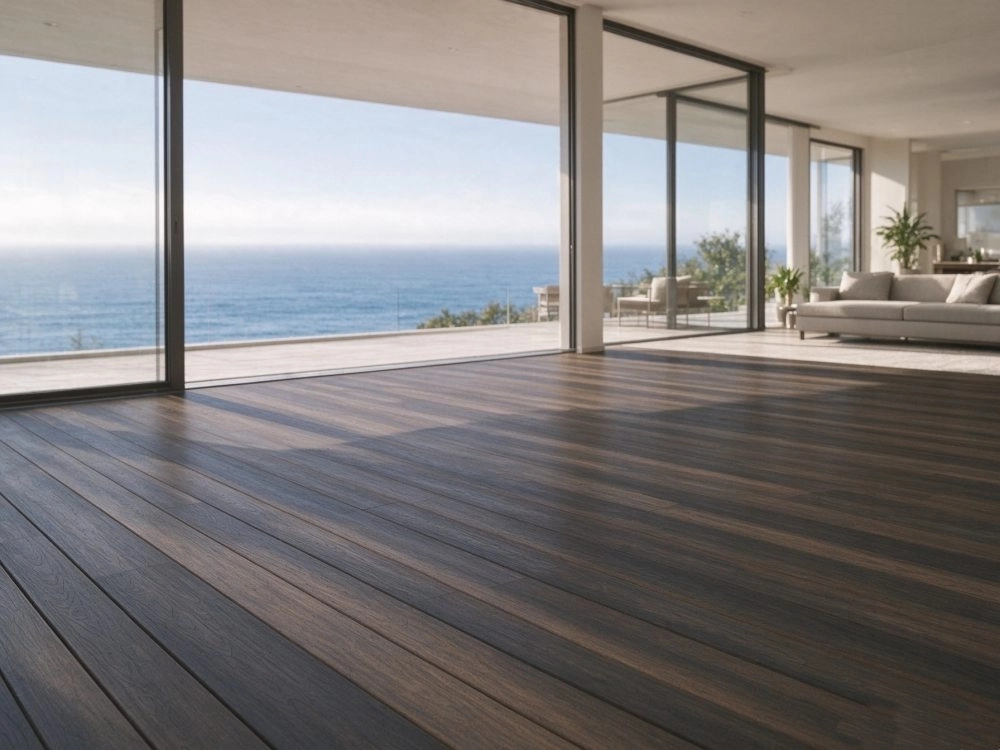
Coastal environments create specific challenges for outdoor flooring. High humidity, salt-laden air, strong sunlight, and frequent exposure to moisture can affect the appearance and performance of decking materials. For residential terraces, seaside hotels, balconies, and outdoor leisure areas, selecting suitable flooring requires more than considering its initial appearance.
WPC deck flooring, also known as wood plastic composite decking, combines wood fiber or wood flour with thermoplastic materials and additives. Its composite structure offers practical advantages for outdoor applications, but its performance in coastal environments depends on material formulation, product design, installation, and maintenance.
How Does Coastal Weather Affect Outdoor Decking?
Coastal conditions expose decking to several environmental factors simultaneously. Understanding these conditions helps explain why material selection and installation details are particularly important near the sea.
High humidity and moisture are common in coastal areas. Traditional wood decking may absorb moisture, potentially leading to swelling, warping, or decay if it is not properly maintained. WPC decking generally absorbs less moisture than untreated wood, making it a practical option for outdoor spaces exposed to humid air and occasional water contact.
However, WPC is not completely waterproof in every respect. Moisture can still enter through cut edges, joints, or certain product structures. Proper drainage and ventilation beneath the deck remain essential.
Salt-laden air is another consideration. Salt deposits may accumulate on the surface and around metal fasteners, potentially contributing to corrosion of unsuitable components. Although WPC boards do not rust like metal, the supporting structure and fastening system should be selected for coastal exposure.
What Makes WPC Deck Flooring Suitable for Coastal Applications?
WPC deck flooring provides several characteristics that make it suitable for many seaside projects.
One important advantage is its resistance to moisture-related deterioration compared with conventional untreated wood. The plastic component reduces water absorption, while the wood component contributes to the material's appearance and structure. This combination can help reduce problems associated with regular exposure to humid outdoor conditions.
WPC decking is also available in a range of colors, textures, and surface finishes. Wood-grain designs can complement coastal architecture, while contemporary colors may suit modern balconies, resort terraces, and commercial outdoor spaces.
Another consideration is maintenance. WPC decking typically does not require the same routine painting, staining, or sealing as many traditional wood decks. Regular cleaning can help remove dirt, salt deposits, and organic debris that accumulate in coastal environments.
Nevertheless, not all WPC products offer identical performance. Material composition, surface treatment, board structure, and manufacturing quality can influence how a product responds to outdoor exposure.
Which Factors Should Be Considered When Selecting WPC Decking for Coastal Areas?
When selecting WPC deck flooring for a seaside project, several product and installation factors should be evaluated together.
| Factor | Why It Matters in Coastal Environment |
| Moisture resistance | Helps reduce moisture-related changes during humid conditions |
| UV resistance | Helps maintain surface appearance under strong sunlight |
| Board structure | Influences strength, weight, and suitability for different applications |
| Fastening system | Should be suitable for humid and salt-rich environments |
| Surface texture | Affects appearance, cleaning, and underfoot characteristics |
| Drainage design | Helps prevent standing water beneath or around the deck |
The fastening system is equally important. Stainless steel or other corrosion-resistant fasteners suitable for the specific coastal exposure can help reduce corrosion-related problems. The appropriate grade should be determined according to the project's environmental conditions and manufacturer recommendations.
How Should WPC Deck Flooring Be Installed Near the Sea?
Even suitable WPC decking can experience problems if the installation does not account for coastal conditions.
The substructure should provide adequate support and allow water to drain away efficiently. Decking boards should not be installed directly over surfaces where water can accumulate. Sufficient ventilation beneath the boards helps moisture escape and supports better long-term performance.
Expansion gaps should also follow the manufacturer's installation instructions. WPC materials can expand and contract with temperature changes, so correct spacing is important for maintaining the stability of the deck.
For coastal projects, installers should pay particular attention to the following details:
▶ Use a suitable substructure and corrosion-resistant fastening system.
▶ Maintain the recommended spacing between boards and around fixed structures.
▶ Ensure that water can drain freely and that the underside of the deck remains ventilated.
These installation details help the flooring system perform more reliably under changing coastal weather conditions.
How Can Coastal WPC Decking Be Maintained?
WPC deck flooring generally requires relatively simple maintenance. Periodic cleaning with water and a suitable mild cleaning solution can remove salt deposits, dust, and surface dirt. In coastal locations, regular rinsing is particularly useful because salt residue may accumulate over time.
Leaves and other organic debris should also be removed from gaps between boards. Keeping the drainage paths clear helps prevent standing water and reduces the likelihood of persistent moisture beneath the deck.
For projects near the sea, WPC decking offers a practical combination of wood-inspired appearance, moisture resistance, and manageable maintenance. By selecting a product designed for outdoor use and following appropriate installation practices, WPC deck flooring can be a suitable option for coastal terraces, balconies, resorts, and other seaside spaces.
